
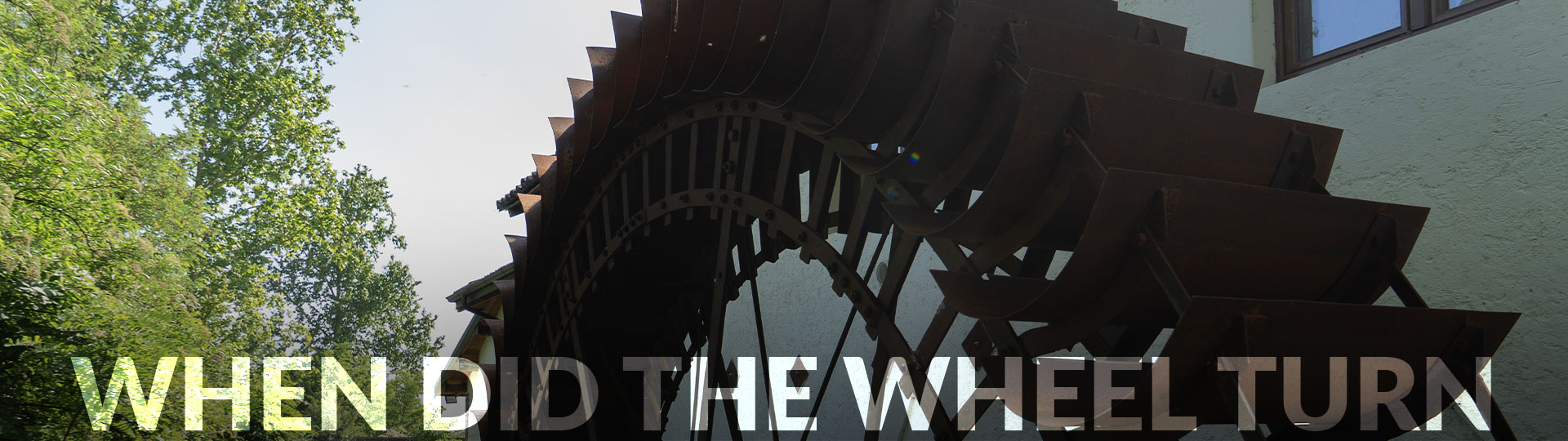
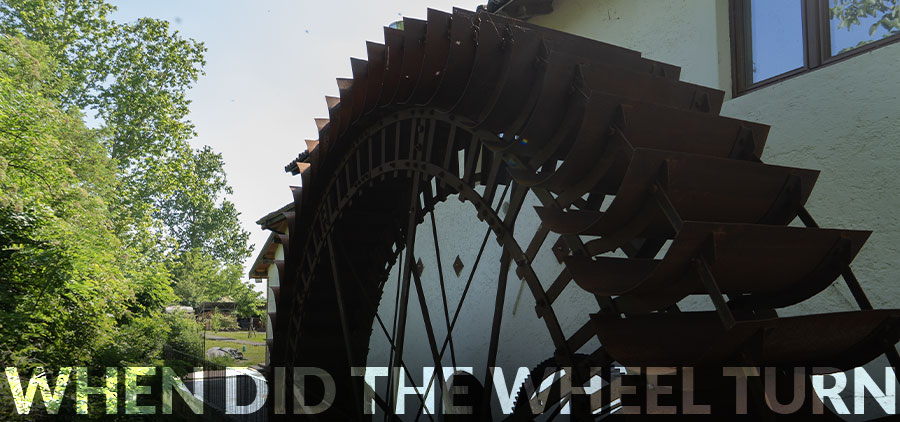
The power of water at the service of the countryside
The mills along the Naviglio Martesana are more than just buildings: they are custodians of a historical memory rooted in rural life and labour. Despite transformations and periods of neglect, many of these buildings still offer an authentic window into the past, when farmsteads were vibrant hubs of rural life and activity.
Their location is not accidental. They stand along the irrigation ditches, which branch off from the main canal, and power the water wheels. The farmsteads were connected to each other by “vicinal” roads (or country lanes / local roads). This strategic siting reflected a clear economic and social rationale, with the mill serving as the nucleus of a local micro-economy — essential not only for grinding grain but also for irrigation and the generation of hydraulic energy. Looking at a Martesana mill today, one can almost sense the bustling rhythm of a time when wheat was turned into flour to feed entire communities.
Discover 360° content

Click and explore
Push and explore

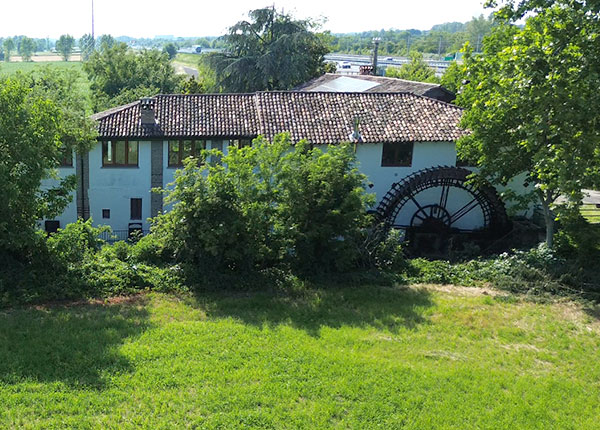
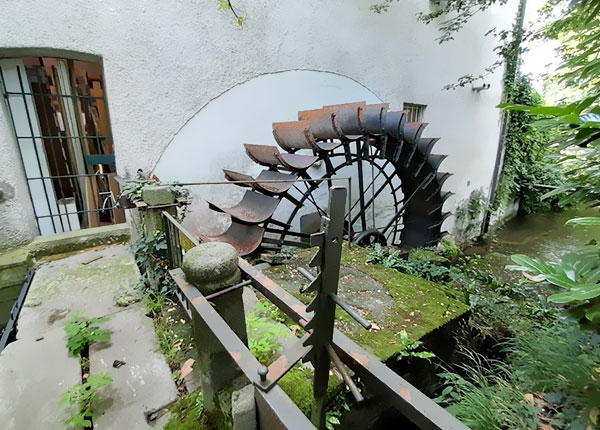
The Burnt Mill
Truccazzano
Documented since the mid-16th century, it is powered by the Casata irrigation canal, derived from the Martesana canal towards Cassano. Its name recalls the frequent fires, often arson, that mills were subject to. It was recently restored by three young families who chose to make it their home. Today, it houses an Arci social club.

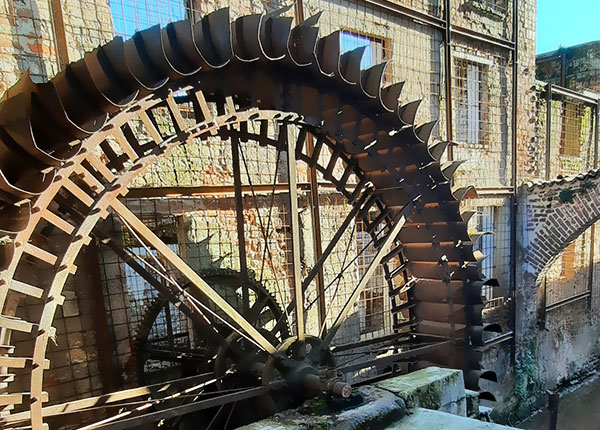
The Franchetti Mill
Inzago
The mill was built at the end of the 15th century, just outside the town of Inzago. Although recently restored and converted for residential use, the original milling mechanisms remain well preserved and fully functional.
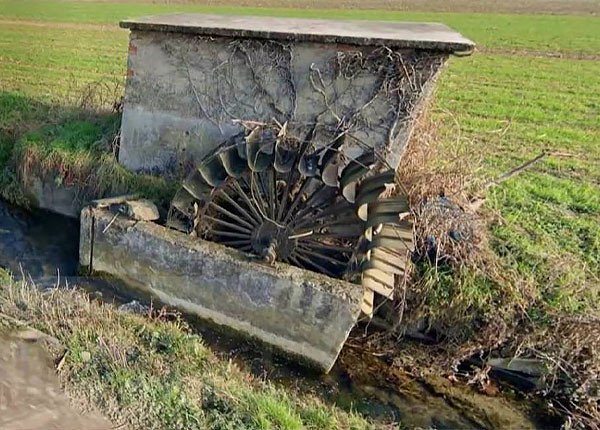
The Old Mill
Gorgonzola
Used for grinding grain until after World War II, it represents the symbol of Gorgonzola’s agricultural economy. Having lost its centuries-old function, it can once again become a social gathering spot for residents and the many cycle tourists traveling along the nearby canal towpath.
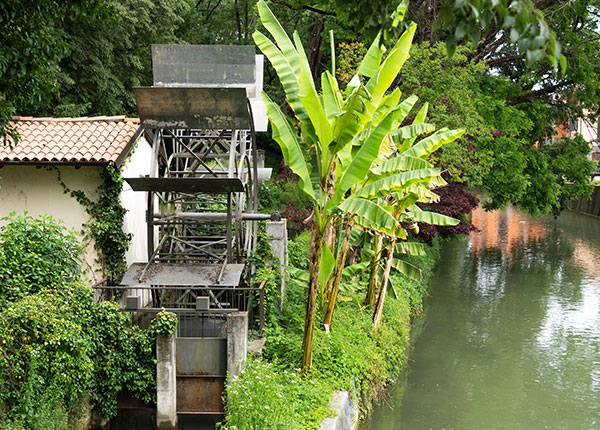
The Misericordia Mill
Bellinzago
Powered by the Trobia stream, it provided electricity to the nearby cascina Misericordia, which dates back to the 16th century. Still fully operational, the farmhouse takes its name from the Consorzio della Misericordia, a lay brotherhood dedicated to charitable works. The Bellinzago estate was donated to the Brotherhood in 1505 by Bernardo Dugnani, a prominent member of an important Milanese family.
Villa Rovida Water Wheel
Cernusco sul Naviglio
This is a modern reconstruction of the wheel built during the 19th century when the Villa was used as a silk mill. Originally, it powered the machines used to twist silk threads. It represents an example of hydraulic engineering that harnessed the canal’s current for industrial purposes.