

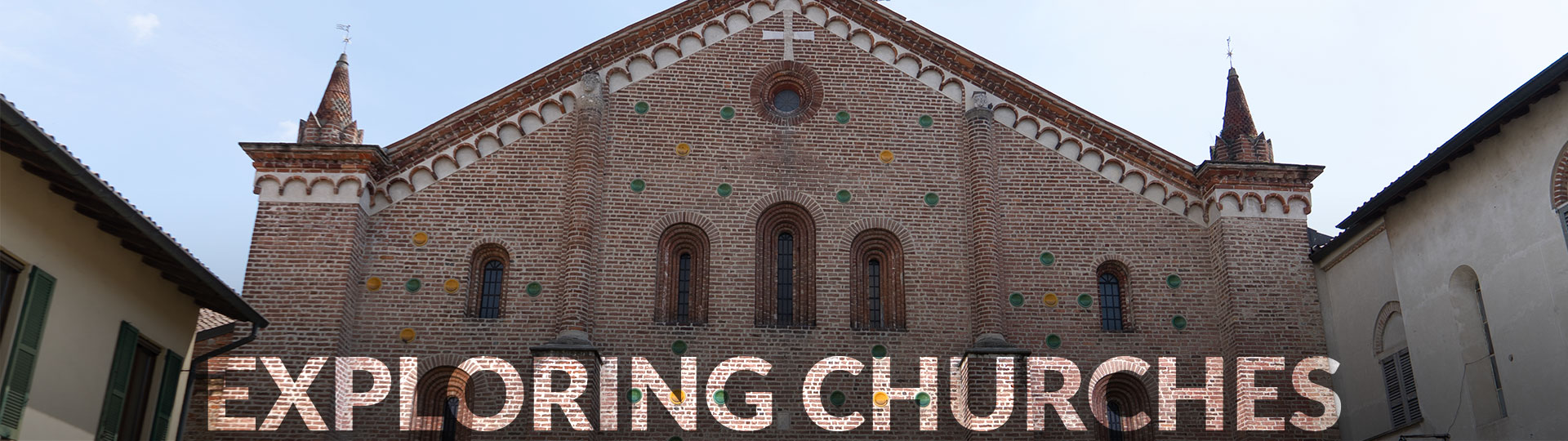
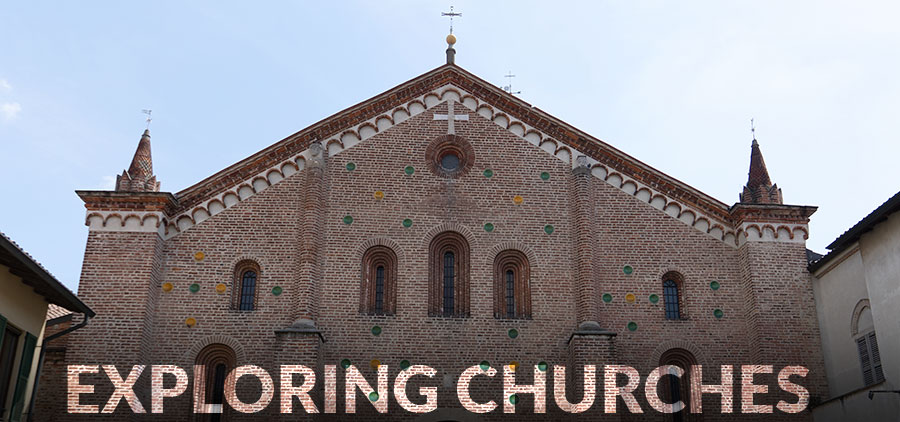
Where faith, art, and history converge
Christian churches scattered across the Martesana landscape have ancient roots, often predating the monastic era. These buildings — some true sanctuaries — embody an important heritage, bearing witness to centuries of faith, art, and community life.
It is not uncommon to find paintings and frescoes dedicated to the Virgin Mary or to the Holy Martyrs, each with its own particular devotion. Every fresco, nave, and bell tower tells stories of local traditions and historical events. Over the centuries, especially during the age of the free communes, the role of these churches extended beyond their strictly religious function.
They took on a civil role, becoming important centres of community life. Public gatherings were often held inside the churches or in their churchyards, making them not only places of worship, but also focal points of the area’s social, economic, and political life, where civil matters were debated and public decisions made.
Discover 360° content

Click and exploer
Push and explore

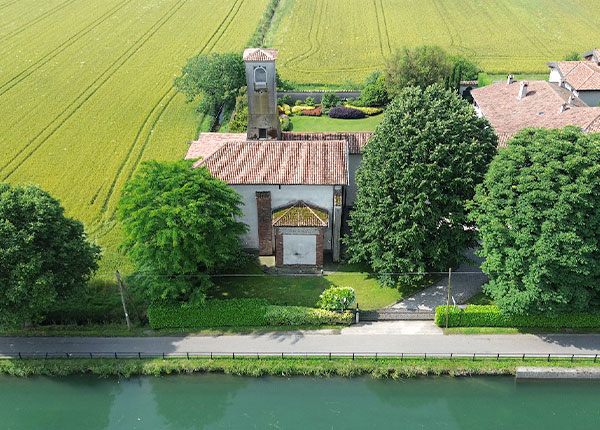
Monasterolo
Inzago
The place name reveals the nature of the site: an ancient monastery dating back to 1489, granted to the Augustinian Friars of Santa Maria Incoronata in Milan. Inside the chapel, the panel painting of the Madonna del Latte stands out. Once attributed to the anonymous Master of the Brera Sforza Altarpiece, the painting is now attributed to the circle of Bernardino Luini.

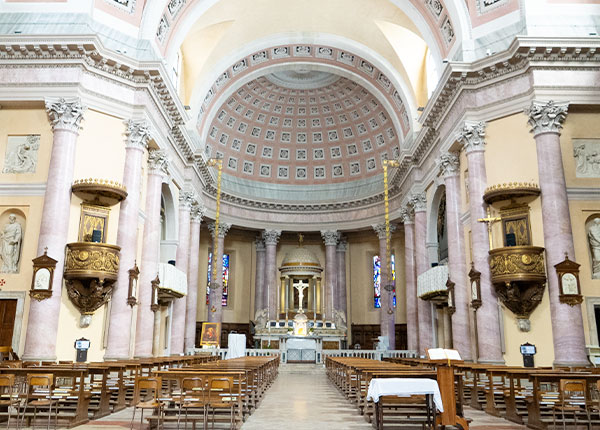
Church of Saints Protasius and Gervasius
Gorgonzola
Church construction began in 1806 under the direction of Simone Cantoni and was later completed by Giacomo Moraglia. The nave and the octagonal dome are striking examples of Neoclassical design. The building replaced the ancient parish church, originally founded in the 8th century.
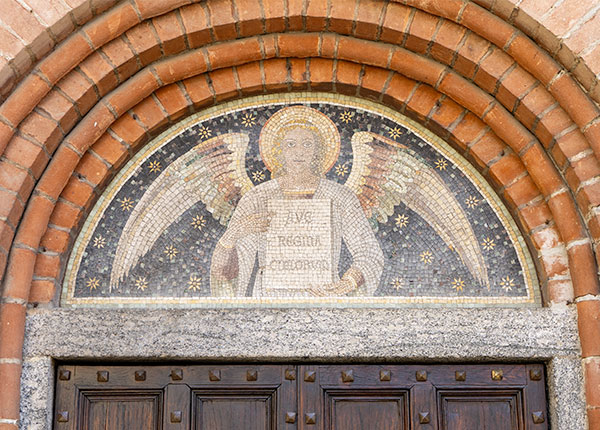
The Church of Santa Maria Rossa
Crescenzago
This ancient monastic complex once belonged to the Order of Saint Augustine. Founded around 1140, the abbey was the final destination of the pilgrimage of the Three Madonnas — the Black Madonna of Loreto (Piazzale Loreto), the White Madonna of Casoretto (Via Casoretto), and the Red Madonna of Crescenzago (Via Berra).
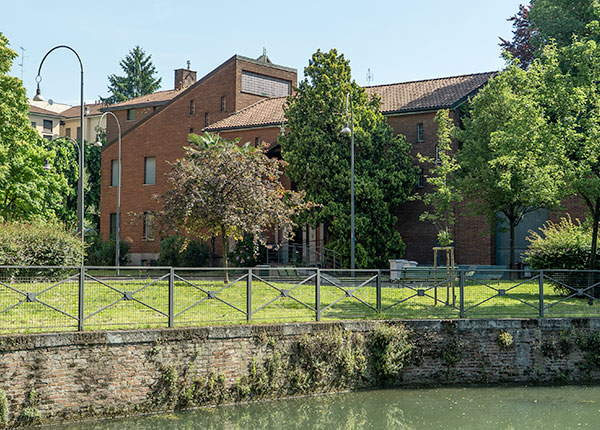
Monastery of the Poor Clares
Gorla Milanese
The Monastery of the Poor Clares, following Saint Clare’s Rule, was commissioned by Cardinal Ildefonso Schuster as a place of prayerful seclusion. It was designed by architect Giovanni Muzio. The church opened to the public in 1958 and is adjacent to the San Francesco Residence for the Elderly, built in 2003.