

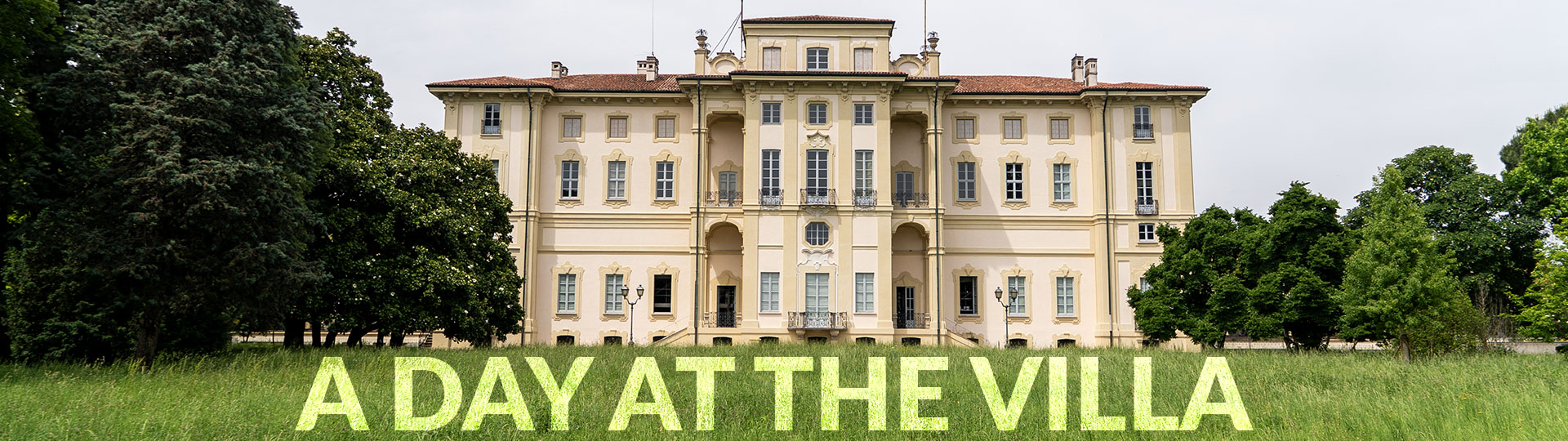
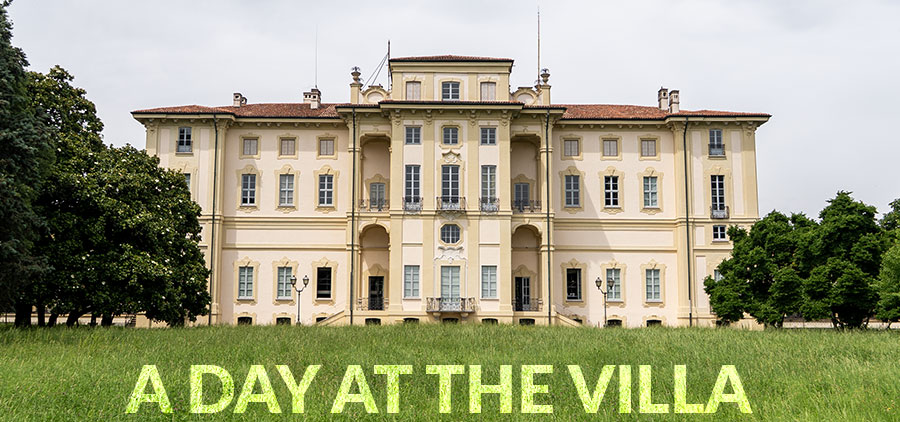
The Villas of the Martesana – between history, architecture, and elegance
A key feature of the villas in the Milanese and Martesana areas was their function as administrative hubs for agricultural estates.
The patricians, who resided in the city, visited their villas during crucial periods of farming activity, such as harvesting, grape picking, and winemaking. Entwined with estate management was the “ritual of country living”: parties, horseback riding, hunting trips, and social visits.
In Martesana, the transformation of ancient fortifications into villas was rare: in Cernusco, Villa Rovida is believed to stand on the site of the Torriani castle, destroyed by the Visconti family in the 13th century.
The mock castle architecture in the nearby garden of Villa Uboldo, on the other hand, is a medieval revival element, highly fashionable in 19th-century romantic gardens.
Discover 360° content

Click and explore
Push and explore

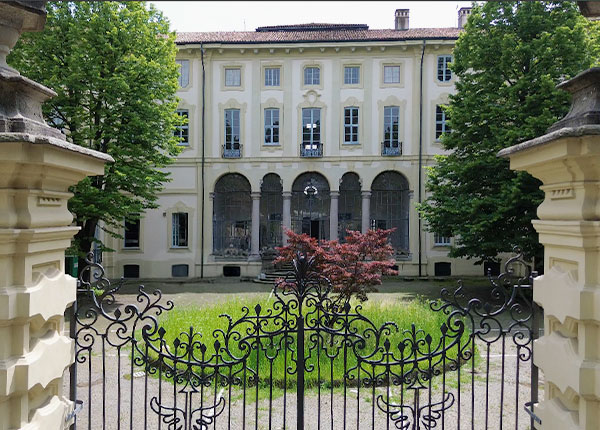
Villa Alari Visconti
Cernusco sul Naviglio
This is the prestigious villa of Count Don Giacinto Alari, dating back to the early 18th century. At the time, Cernusco boasted numerous “noble houses” — fortified buildings from the 16th century that were later transformed into elegant villas. The architectural design by Giovanni Ruggeri (1703) highlights the villa’s refined layout, featuring a large entrance courtyard flanked by service wings.

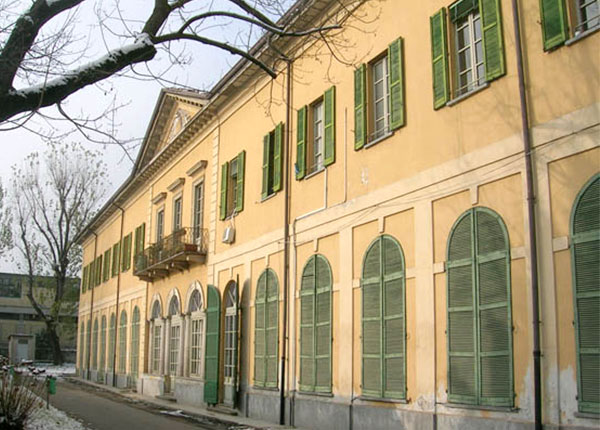
Villa Finzi (formerly Batthyàny)
Gorla Milanese
Originally built as an aristocratic residence, the villa was purchased in 1827 by Count Giuseppe Batthyàny, a native of Buda (Hungary). In 1813, the Batthyàny family hosted Emperor Francis I of Austria. A memorable reception was held there in 1828 to mark the visit of Prince Rainer of Habsburg-Lorraine to Milan.
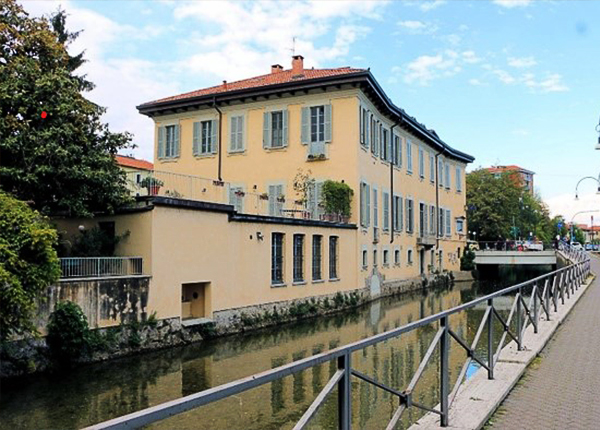
Villa Lecchi
Crescenzago
In this 18th-century villa, Emperor Franz Joseph I of Austria and his wife spent a night in 1816 before entering Milan, as guests of Jacopo and Carla Lecchi. Jesuit scholar Giannantonio Lecchi, a prominent figure at the Viennese court, also belonged to the family.
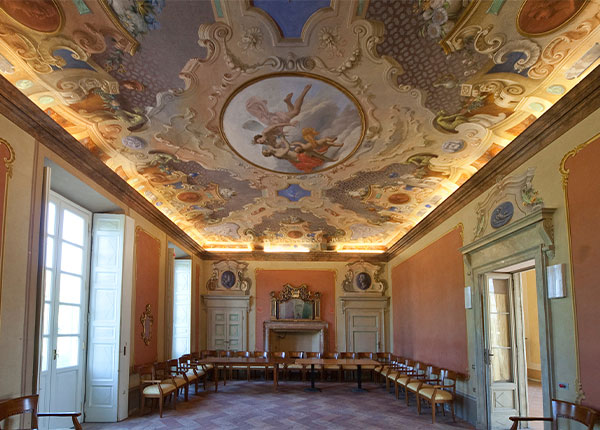
Villa Daccò
Gessate
The Daccò family, a branch of the Beccaria lineage, commissioned this villa in a restrained Neoclassical style. Inside the villa, the Hall of Honour features delicate frescoes and stucco work, with a large ceiling medallion depicting “Love and Psyche” at its centre. Three rear doors open onto a vast English-style park. Today, the villa houses the Martesana Ecomuseum.
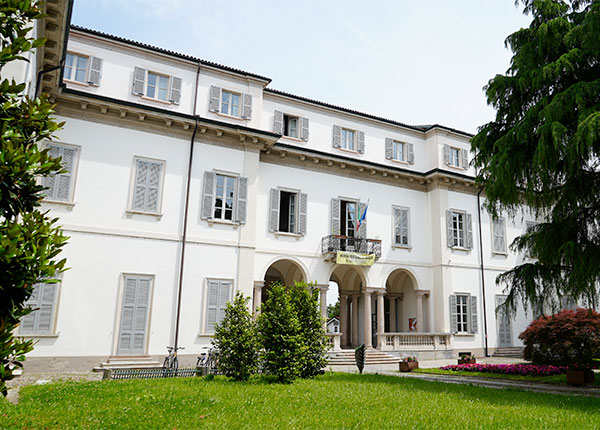
Villa Biancani Greppi
Cernusco sul Naviglio
Second only to Villa Alari Visconti in size and grandeur, Villa Biancani-Greppi still preserves its original layout and character. Its construction dates back to the original core built in 1685, when the property belonged to Antonio Biancani. Today, it houses the Town Hall of Cernusco sul Naviglio.