
From water to land – between traditions and crafts
The farmhouses south of the canal were true “green factories”, the core of an agricultural economy that thrived on human ingenuity and an abundance of water.
The fields, irrigated by a dense network of canals and ditches, produced grain and fodder. Livestock farming provided milk, meat, and manure. Numerous artisan crafts also flourished here, such as the blacksmith (crucial for shoeing horses), the camparo (water warden), the cheesemaker, and the carpenter for farm tool maintenance.
The farmhouses were self-sufficient production centers and hubs of social life where tradition and innovation blended, leaving an indelible mark on Lombardy’s history and landscape.
Discover 360° content

Click and explore
Push and explore

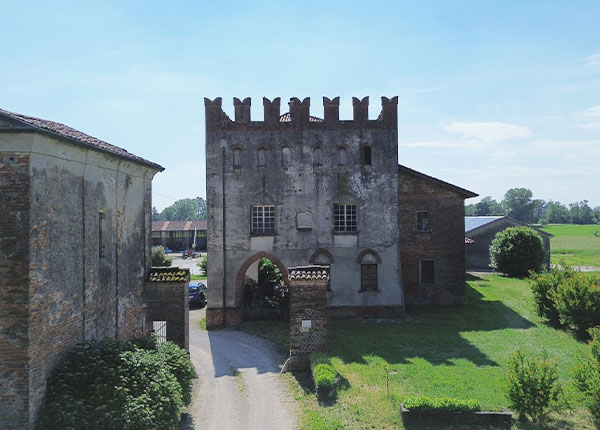
Cascina Castello (Castle Farmhouse)
Settala
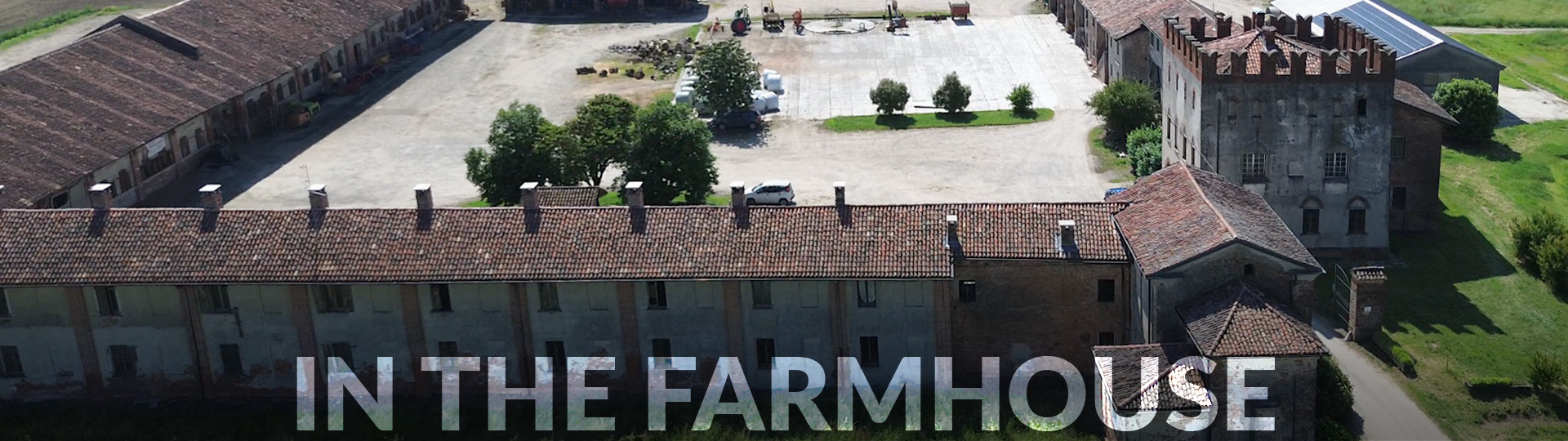
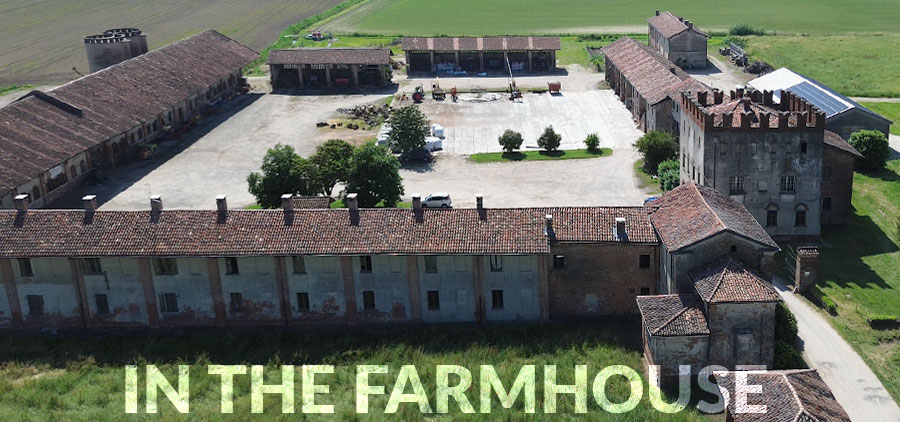
Cascina Castello is a working farm still in operation. This farmhouse complex is laid out around a large courtyard that includes a farmyard, residential buildings, a modest castle, a chapel, and several barns. The castle — from which the farmhouse takes its name — and the adjoining chapel now house the Ethnographic and Historic-Agricultural Centre for Farming Crafts and Rural Traditions.

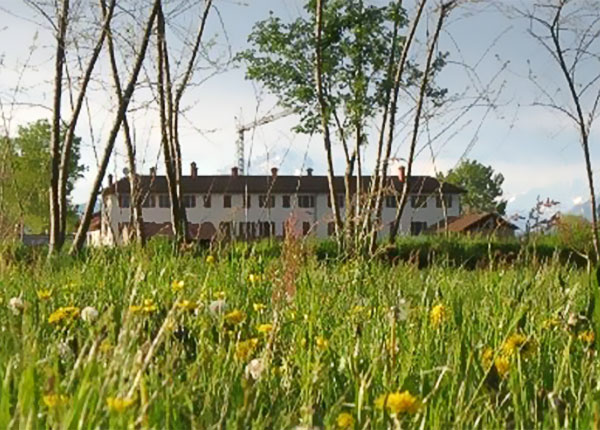
Cascina Pagnana (Pagnana Farmhouse)
Gorgonzola
A typical example of a rural farmhouse built on dry land, Cascina Pagnana is a large enclosed quadrangle. Today, it has been restored by the “Pagnana Solidale” Social Promotion Association, which not only inhabits the site but also fosters and supports community-based initiatives.
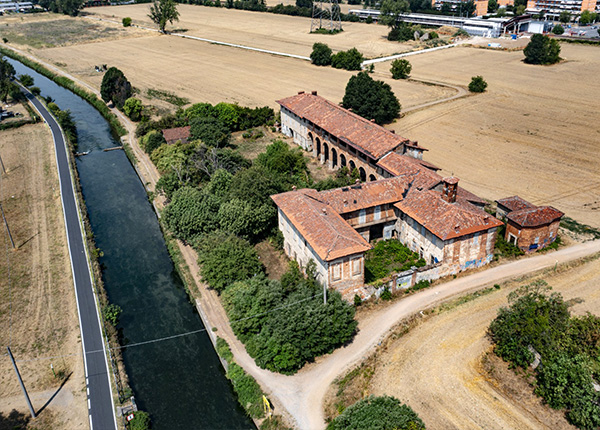
Cascina Gogna (Gogna Farmhouse)
Bussero
Cascina Gogna – currently undergoing conversion into an accommodation facility — is a 16th-century farmhouse originally built as a stately country residence. Between the late 18th and early 19th century, it increasingly took on an agricultural character, with a rustic courtyard, a portico, and stables.